
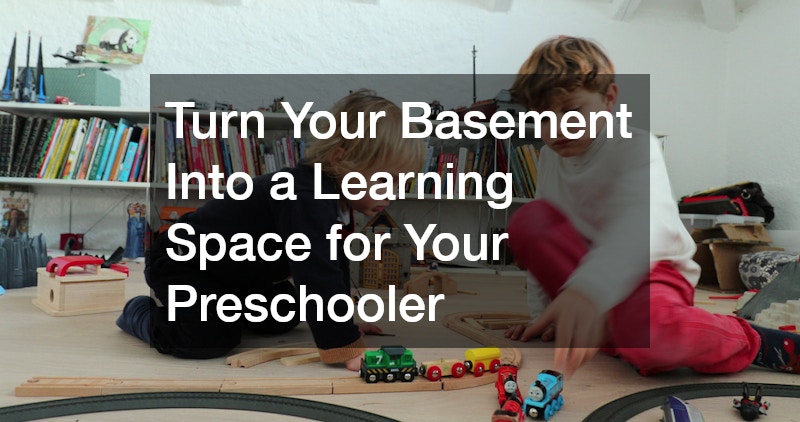
Creating a dedicated learning space for your preschooler at home can make a huge difference in their development and engagement. While classrooms provide structure, a home environment allows for personalized learning experiences tailored to your child’s interests and pace. Basements often serve as underutilized areas in homes, making them a perfect candidate for a fun, safe, and educational space. This blog explores practical strategies, design ideas, and creative activities to transform your basement into a preschool learning hub that fosters curiosity, creativity, and early academic skills.

Assess Your Basement and Plan the Layout
Before you start decorating or purchasing materials, take the time to assess your basement space with the help of a general contractor. Consider the size, lighting, ventilation, and safety factors to create a functional learning environment. Make a floor plan that defines zones for different activities such as reading, arts and crafts, building, and imaginative play. A clear layout helps your child understand boundaries and keeps the space organized.
Lighting is crucial in a basement environment since natural light may be limited. Use bright, adjustable lighting and consider adding floor lamps or LED strips to create a welcoming and cheerful atmosphere. Ensure proper ventilation and a comfortable temperature, as basements can sometimes feel damp or chilly. Evaluate the flooring; soft rugs or foam mats provide comfort and safety, especially for active preschoolers. Finally, think about storage solutions for toys, learning materials, and books. Open shelving, bins, and labeled containers can make cleanup easier and teach children organizational skills from an early age.
Insulate Your Basement for Comfort and Energy Efficiency
Proper insulation is key to making your basement a comfortable and inviting learning space for your preschooler. Basements can often feel cold, damp, or drafty, which can be distracting or uncomfortable for young children. Adding insulation helps maintain a consistent temperature, reduces moisture, and creates a cozy environment conducive to focus and play.
Consider insulating walls, ceilings, and even floors depending on your basement setup. Options include foam board insulation, fiberglass batts, or spray foam, each offering different levels of thermal protection and moisture resistance. Installing insulation behind drywall or using insulated panels not only improves warmth but also reduces outside noise, making the basement quieter and more peaceful. A insulation contractor can also enhance energy efficiency, reduce heating costs in winter, and keep the space cooler in summer. By creating a well-insulated basement, you provide a safe, comfortable, and inviting environment that encourages your preschooler to enjoy and engage in their learning activities year-round.
Waterproof Your Basement to Protect Your Learning Space
Waterproofing your basement is essential to creating a safe and healthy learning environment for your preschooler. Basements are prone to moisture, leaks, and even occasional flooding, which can damage toys, books, and educational materials while also creating mold and mildew hazards. Proper waterproofing ensures the space remains dry, clean, and comfortable year-round.
Hire a basement waterproofing company to inspect the space for cracks, leaks, or damp spots; the pros will seal them using appropriate waterproofing materials such as epoxy or polyurethane sealants. Consider applying a waterproof coating to the walls and floors to create a protective barrier against moisture. Installing a sump pump or improving drainage around your home can prevent water accumulation during heavy rains. Additionally, using moisture-resistant flooring and furniture helps protect your child’s belongings and makes cleanup easier. By waterproofing the basement, you create a reliable, long-lasting space where your preschooler can explore, learn, and play without the worry of water damage or mold exposure.
Prioritize Safety and Childproofing
Safety is the foundation of any preschool learning space. Basements may contain hazards such as exposed pipes, electrical outlets, and stairways, so thorough childproofing is essential. Install outlet covers, secure loose cords, and block off access to any areas that are not meant for play. Soft flooring or padded mats can reduce the risk of injury from falls.
After bringing home a couch, chair, bookshelf, and other pieces from a local furniture store, be sure all furniture is stable and anchored to walls if necessary, and avoid sharp edges or breakable items in your child’s zone. Keep small items that could pose choking hazards out of reach. Additionally, ensure that the basement has functioning smoke detectors and, if possible, a carbon monoxide detector. Consider using gates to section off areas near stairs or utility zones. By addressing these safety concerns, you create a secure environment where your preschooler can explore and learn freely.
Create Distinct Learning Zones
Your basement remodeling company can divide the basement into distinct learning zones when renovating the space, as these zones help children focus on different types of activities. Each zone should have its own theme, purpose, and materials. Common zones include a reading nook, an arts and crafts area, a building and construction corner, and a dramatic play section. Color-coding or labeling each area can help your preschooler understand the purpose of each space and encourage independence.
In a reading zone, add comfortable seating like bean bags, cushions, or a small couch, along with a bookshelf filled with age-appropriate books. For arts and crafts, include a small table, easy-to-clean surfaces, and a variety of art supplies such as crayons, markers, glue, and paper. In the building area, provide blocks, magnets, or other construction toys that enhance fine motor skills and problem-solving. Dramatic play zones can include dress-up clothes, puppets, and props to encourage imaginative play and social development. Clearly defined zones keep your basement organized and make transitions between activities smoother for your child.
Incorporate Educational Tools and Materials
Equipping the basement with educational tools tailored to local preschool learning helps reinforce skills in literacy, math, science, and creativity. Choose materials that are age-appropriate, safe, and engaging. Consider interactive items that allow hands-on learning, such as counting beads, alphabet puzzles, or sensory bins filled with rice, beans, or sand.
STEM-based toys like building kits, simple science experiments, and pattern blocks help develop critical thinking and problem-solving skills. Art supplies, musical instruments, and creative kits encourage artistic expression and fine motor development. Incorporate visual aids such as alphabet posters, number charts, and world maps to create a stimulating environment. Rotating materials regularly keeps the space fresh and interesting, encouraging continuous exploration and engagement. Providing a wide range of educational tools ensures that every day can introduce a new learning opportunity for your preschooler.
Incorporate Sensory and Tactile Activities
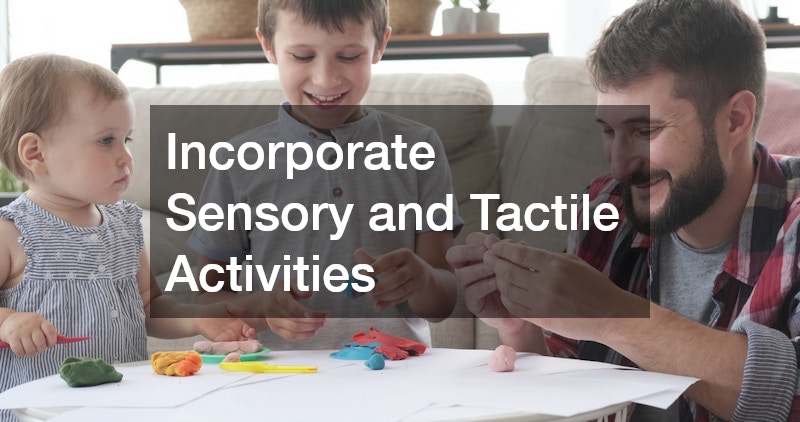
Sensory play is essential for preschoolers as it supports cognitive growth, fine motor skills, and creativity. Incorporate tactile activities like sand tables, water play stations, playdough, or textured mats. Sensory bins filled with safe, everyday materials encourage exploration and problem-solving.
Include items with different textures, shapes, and colors to engage multiple senses. Activities like pouring, scooping, and sorting promote hand-eye coordination and concentration. Rotating sensory activities regularly keeps your child engaged and encourages experimentation. For example, a water table can include floating objects, measuring cups, and funnels to make learning about physics and volume fun. Sensory activities also provide calming experiences, helping children manage emotions and develop focus, which is especially important in a home learning environment.
Design a Comfortable Reading and Quiet Zone
Reading is a cornerstone of preschool learning. A cozy reading zone encourages your child to develop early literacy skills, imagination, and language development. Use comfortable seating, soft lighting, and accessible bookshelves to create a welcoming environment. Hire a local house painter to paint the space a calming color. Include cushions, small chairs, or a mini couch that invites relaxation and enjoyment.
Add thematic decorations such as posters of favorite characters, wall decals, or a canopy to make the space visually appealing. Rotate books regularly to maintain interest and provide exposure to a variety of subjects and genres. Encourage storytelling sessions, where your preschooler can retell stories, develop comprehension skills, and practice vocabulary. A quiet zone also doubles as a place to calm down if the child becomes overstimulated, teaching self-regulation in a safe and controlled setting.
Incorporate Arts, Music, and Creative Expression
Creativity is a crucial aspect of early childhood development and is a big part of an Odyssey preschool in Singapore and beyond. A designated arts and music area allows preschoolers to explore their imagination, express emotions, and develop fine motor skills. Provide paints, crayons, markers, clay, and musical instruments to encourage experimentation and self-expression.
Offer structured activities, such as guided art projects or simple music lessons, alongside open-ended creative time. Introduce themes or challenges, like creating a collage of favorite animals or composing a short rhythm sequence, to spark curiosity. Display completed artwork to celebrate achievements and encourage confidence. Music and movement activities, such as dancing or simple instrument play, support auditory development, coordination, and social skills. A creative corner fosters joy, exploration, and holistic learning, making the basement a vibrant, engaging space for your preschooler.
Integrate STEM and Problem-Solving Activities
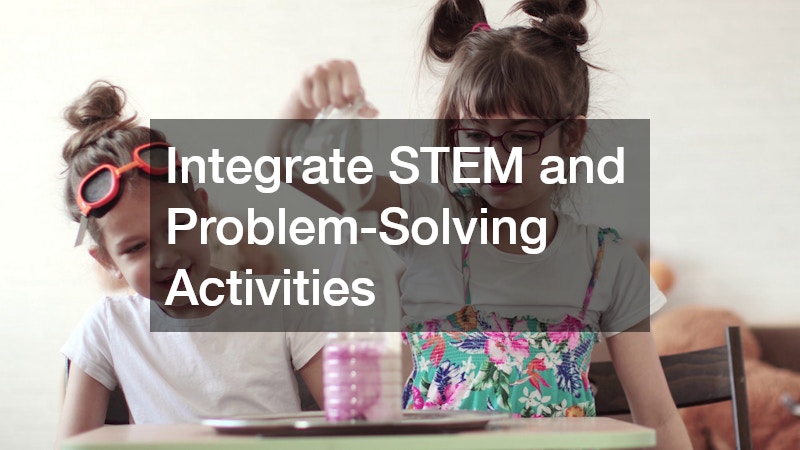
STEM (Science, Technology, Engineering, and Math) activities promote critical thinking and problem-solving from an early age. Simple, hands-on STEM activities can be set up in a basement learning space, using everyday materials or affordable kits designed for preschoolers. Activities can include building towers with blocks, sorting shapes by color or size, or experimenting with magnets and water.
Encourage open-ended questions and exploration, allowing your child to hypothesize, test, and observe results. Incorporate counting games, simple measurements, and pattern recognition to reinforce early math skills. Science experiments like planting seeds, observing weather patterns, or exploring textures engage curiosity and observation skills. STEM-focused play strengthens reasoning, creativity, and confidence in problem-solving, preparing preschoolers for future learning while keeping them engaged and entertained in a home setting.
Utilize Storage and Organization Solutions
Maintaining an organized learning space in the basement helps your preschooler focus and makes cleanup easier. Use labeled bins, shelves, and baskets to store toys, art supplies, and educational materials. Rotating items based on themes or learning objectives can maintain interest and prevent clutter.
Design the space so that everything is easily accessible to your preschooler, promoting independence and responsibility. Low shelves, pull-out drawers, and clear containers allow children to find and return materials themselves. Include a cleanup routine with songs or timers to make organization a fun habit. An orderly learning environment reduces distractions, encourages responsibility, and allows your preschooler to enjoy the space fully without being overwhelmed by clutter. If you add a bathroom to your basement during the remodel, be sure your plumber leaves space for organizing toiletries. This way, your little one can use the bathroom in their learning space easily!
Foster Social and Collaborative Play
If you have multiple children or invite friends from local preschools over for playdates, incorporating opportunities for social interaction is important. Collaborative play teaches sharing, empathy, teamwork, and communication skills. Include group activities, board games, and cooperative projects in your basement learning space.
Set up a small table or circle area where children can work together on puzzles, art projects, or storytelling. Encourage role-playing and cooperative building activities, which help preschoolers navigate social dynamics and develop problem-solving skills with peers. Establish simple rules and routines to guide interactions and prevent conflicts. A socially enriching environment fosters emotional intelligence, cooperation, and confidence, rounding out the developmental benefits of your basement learning space.
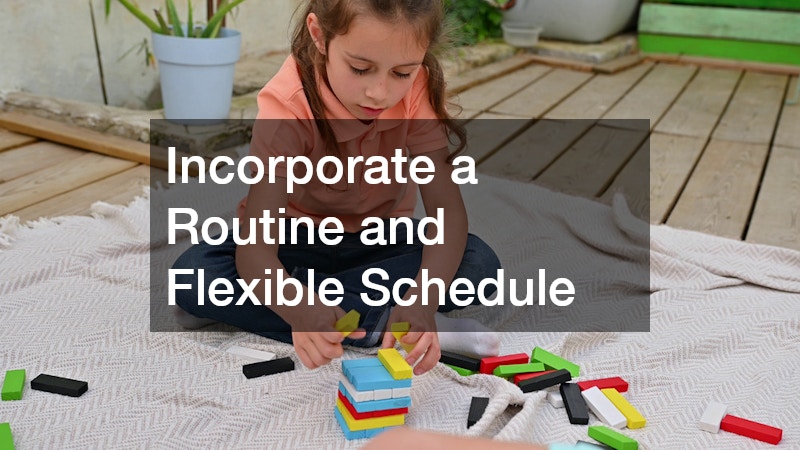
Incorporate a Routine and Flexible Schedule
Preschoolers thrive on consistency. Design a routine for the basement learning space that balances structured activities with free play. A flexible schedule helps children know what to expect while allowing room for creativity and exploration. Include time for reading, arts and crafts, STEM activities, physical play, and quiet reflection.
Use visual schedules, timers, or charts to guide transitions between activities. Encourage your child to participate in planning or selecting activities to foster decision-making skills and ownership of their learning. Consistent routines paired with flexible options support emotional regulation, independence, and sustained engagement. Over time, your preschooler will develop familiarity with the space, making it a safe and stimulating environment for ongoing learning.
Transforming your basement into a learning space for your preschooler can have a profound impact on their early development. By investing time and resources into creating this dedicated space, you support your preschooler’s early education in a fun, safe, and enriching home environment. With consistency, creativity, and thoughtful planning, your basement can become a cherished space where your child thrives academically, socially, and emotionally, setting the stage for lifelong learning and curiosity.